top of page
Community Research & Innovation Conference
 Community Research & Innovation ConferenceWed, Feb 24Fort Simpson Recreation Centre
 Scotty Creek Winter Field Methods CourseSat, Feb 27Scotty Creek Research Station
Speakers

01
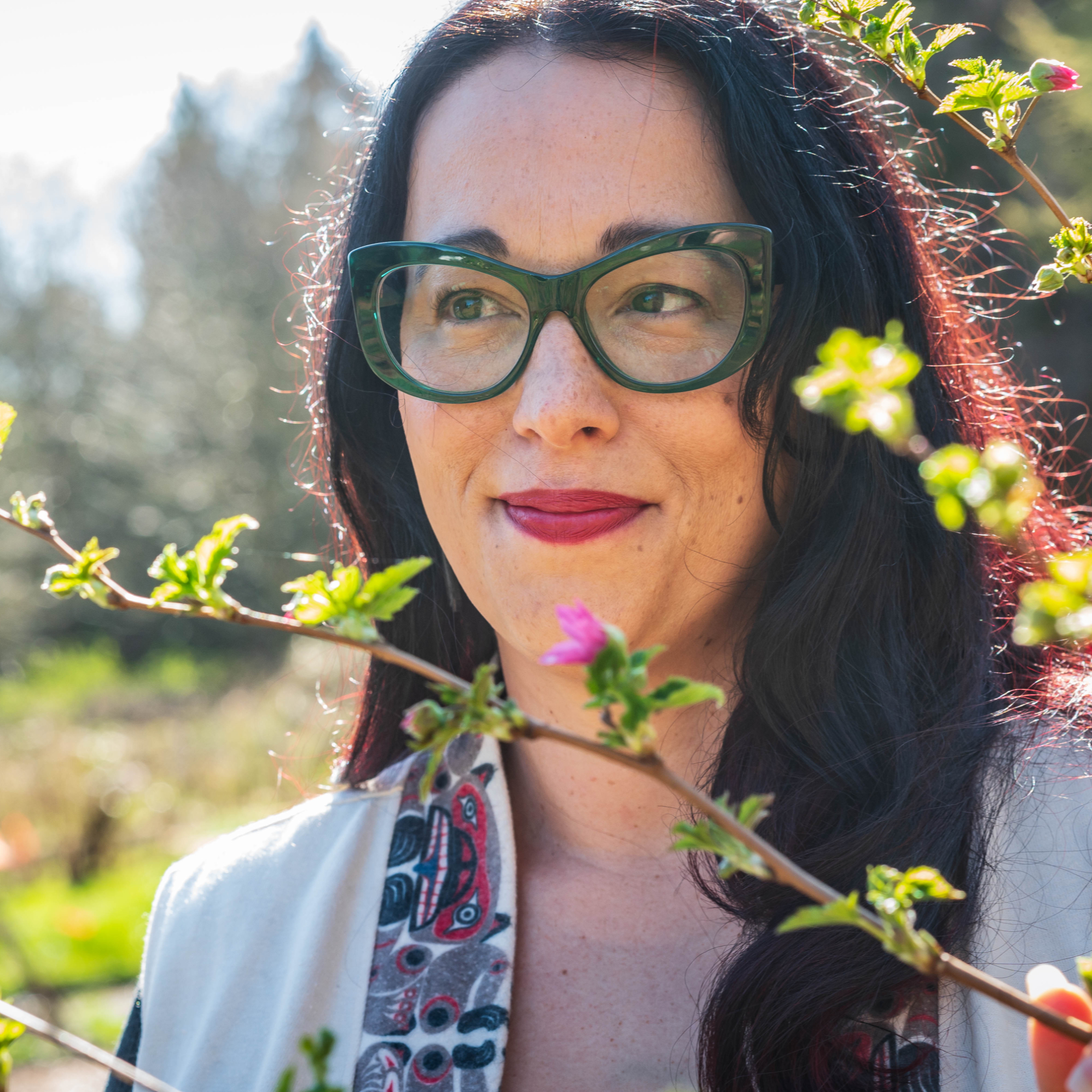
Jennifer Grenz
Dr. Jennifer Grenz is an Assistant Professor and Indigenous Scholar (Nlaka’pamux, member of the Lytton First Nation) in the Department of Forest Resources Management, jointly appointed between the Faculty of Forestry and Faculty of Land and Food Systems at the University of British Columbia. The research focuses of her Indigenous Ecology Lab are on the application of a food systems lens to restoration ecology, and developing culturally centered, data-driven restoration interventions using Indigenous and western sciences. The lab works entirely in service to the land-healing research needs of Indigenous communities, particularly in the context of building climate resiliency and major climate event recovery. Prior to her academic appointment, Dr. Grenz was the Executive Director of the Invasive Species Council of Metro Vancouver and ran her own invasive plant management company, Greener This Side, managing invasive species for government agencies.

02
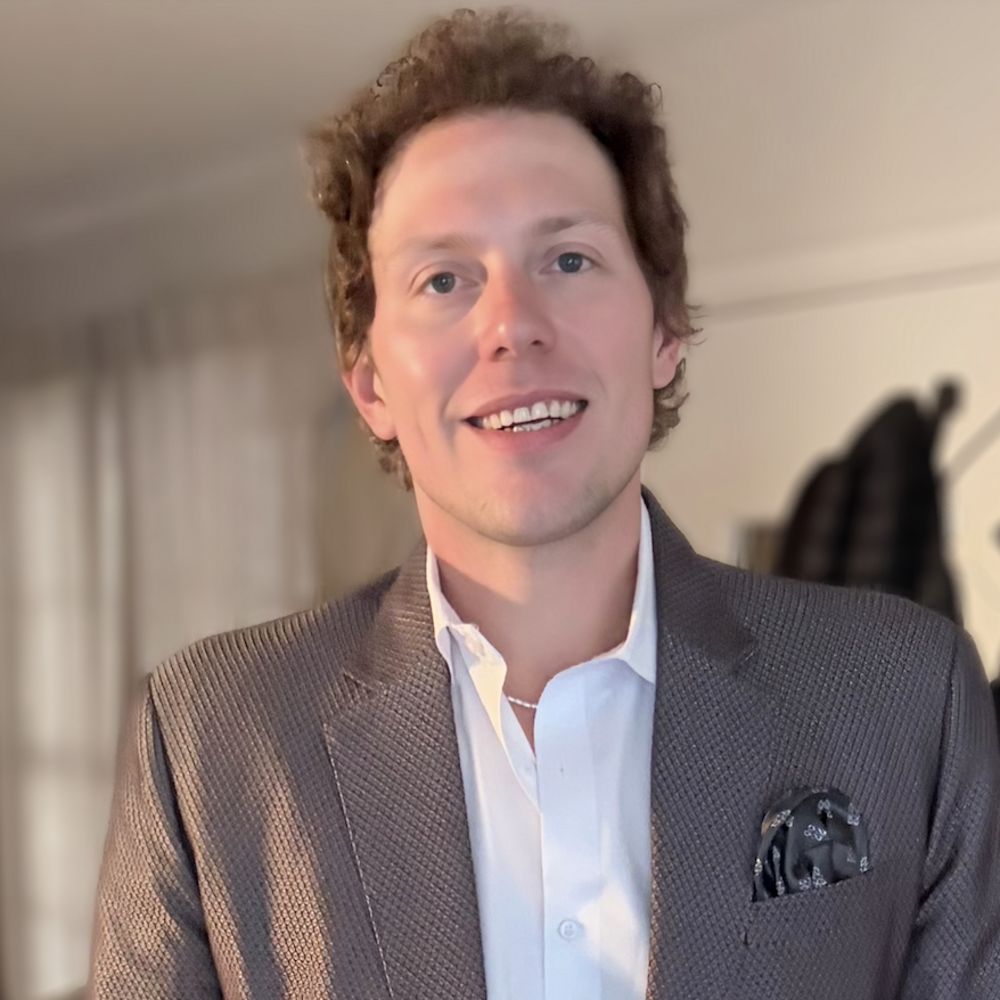
Miguel Sioui
Miguel Sioui is the Global Director of Indigenous Sciences at The Nature Conservancy, based in Boulder, Colorado. A member of the Huron-Wendat First Nation, he focuses on weaving Indigenous knowledge systems with Western science to address environmental challenges, advocating for Indigenous leadership and stewardship to be central to global conservation and environmental governance. He sees his work as an extension of Huron-Wendat traditions of cultural diplomacy, acting as a bridge between Indigenous and non-Indigenous communities to build the trust and relationships needed for inclusive, resilient conservation strategies.

03
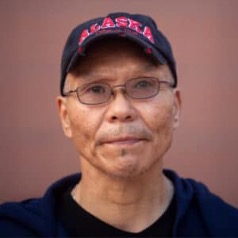
Morris Alexie
Morris is a resident and former Tribal Administrator for the Native Village of Nunapicuaq (Nunapitchuk), located on the Yukon-Kuskokwim Delta in Alaska. Our village is home to Alaska Native people of the central Yup’ik culture—a people who, since time immemorial, were nomadic.
My Yup’ik name is “Chigusuk,” which means ice, similar to the ice that stabilizes my community.
Morris first joined Permafrost Pathways in 2022 as a Tribal Liaison, helping to coordinate between permafrost scientists, community leaders, and state and federal government agencies to identify and implement solutions to permafrost thaw, erosion, and flooding in my community.
In 2025, Morris transitioned into the role of Community Engagement Specialist, expanding my guidance and coordination with each of the Permafrost Pathways Tribal Liaisons from our partner communities.

04
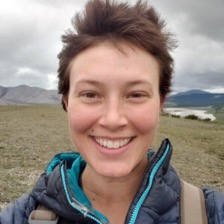
Jackie Hung
Jackie is an expert in soil biogeochemistry and Arctic ecology who is studying how climate change is affecting terrestrial Arctic systems. Jackie leads field research campaigns in Alaska’s Yukon-Kuskokwim Delta to investigate changes occurring in Arctic vegetation, soils, and greenhouse gas releases due to warming and disturbances. Jackie’s work is helping to solidify the science that underpins Arctic policies and improve our understanding of these extremely sensitive environments.

05
Christina Minions
Christina’s research at Woodwell Climate is broadly focused on assessing the impact of permafrost thaw and wildfire on the carbon dynamics of Arctic ecosystems. Working as part of a team, Christina’s current work is focused on investigating the changes in greenhouse gas emissions occurring in Alaska’s Yukon Kuskokwim Delta.

06
Josh Thienpont
Josh Thienpont is an assistant professor in the Faculty of Environmental and Urban
Change at York University. He co-leads the Limnology and Paleoenvironmental
Research Group with Prof. Jenny Korosi. The LPRG’s research considers the legacies
of past environmental stressors and emerging concerns for aquatic ecosystems.
Currently, they are working on several projects working to understand how
permafrost thaw alters physical, chemical, and biological processes in lakes, in the
context of ongoing climate warming. Their research regularly makes use of lake
sediment records to infer changes to lake ecosystems and the surrounding
landscape associated with thaw-driven disturbances.

07
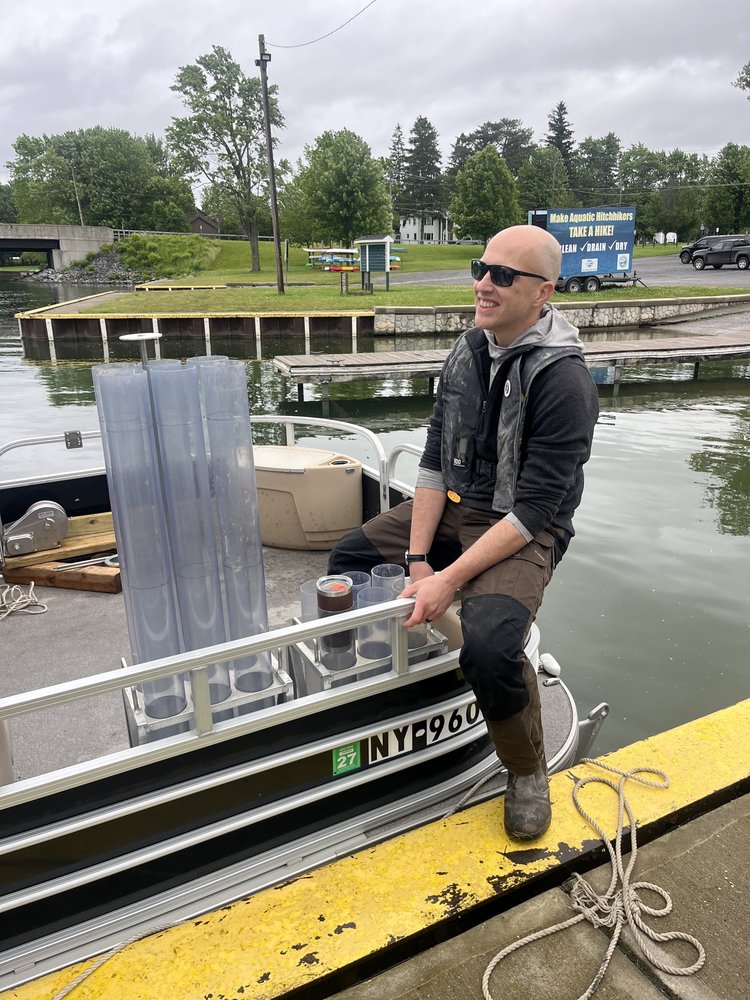
Laura Brown

08
Elizabeth Hoy
Dr. Elizabeth (Liz) Hoy’s scientific research interests are in geography and disturbance mapping within the high northern latitude regions of North America where she utilizes GIS and remote sensing to understand aspects of environmental change. Some of her recent research has included analyzing methane hotspots in fire-disturbed areas of the Alaskan tundra and understanding satellite-derived burn severity metrics used in boreal forests. Dr. Hoy has worked in the Carbon Cycle and Ecosystems Office at NASA since 2012 (now as a contractor through Global Science and Technology, Inc.) where she is a Senior Support Scientist for the NASA Arctic-Boreal Vulnerability Experiment (ABoVE). Recently Dr. Hoy supported the development of the IARPC Arctic Research Plan as a co-author of the Data Management section.
01 / 08
Jennifer Grenz
Dr. Jennifer Grenz is an Assistant Professor and Indigenous Scholar (Nlaka’pamux, member of the Lytton First Nation) in the Department of Forest Resources Management, jointly appointed between the Faculty of Forestry and Faculty of Land and Food Systems at the University of British Columbia. The research focuses of her Indigenous Ecology Lab are on the application of a food systems lens to restoration ecology, and developing culturally centered, data-driven restoration interventions using Indigenous and western sciences. The lab works entirely in service to the land-healing research needs of Indigenous communities, particularly in the context of building climate resiliency and major climate event recovery. Prior to her academic appointment, Dr. Grenz was the Executive Director of the Invasive Species Council of Metro Vancouver and ran her own invasive plant management company, Greener This Side, managing invasive species for government agencies.
Go to link01
Jennifer Grenz
Dr. Jennifer Grenz is an Assistant Professor and Indigenous Scholar (Nlaka’pamux, member of the Lytton First Nation) in the Department of Forest Resources Management, jointly appointed between the Faculty of Forestry and Faculty of Land and Food Systems at the University of British Columbia. The research focuses of her Indigenous Ecology Lab are on the application of a food systems lens to restoration ecology, and developing culturally centered, data-driven restoration interventions using Indigenous and western sciences. The lab works entirely in service to the land-healing research needs of Indigenous communities, particularly in the context of building climate resiliency and major climate event recovery. Prior to her academic appointment, Dr. Grenz was the Executive Director of the Invasive Species Council of Metro Vancouver and ran her own invasive plant management company, Greener This Side, managing invasive species for government agencies.
02
Miguel Sioui
Miguel Sioui is the Global Director of Indigenous Sciences at The Nature Conservancy, based in Boulder, Colorado. A member of the Huron-Wendat First Nation, he focuses on weaving Indigenous knowledge systems with Western science to address environmental challenges, advocating for Indigenous leadership and stewardship to be central to global conservation and environmental governance. He sees his work as an extension of Huron-Wendat traditions of cultural diplomacy, acting as a bridge between Indigenous and non-Indigenous communities to build the trust and relationships needed for inclusive, resilient conservation strategies.
03
Morris Alexie
Morris is a resident and former Tribal Administrator for the Native Village of Nunapicuaq (Nunapitchuk), located on the Yukon-Kuskokwim Delta in Alaska. Our village is home to Alaska Native people of the central Yup’ik culture—a people who, since time immemorial, were nomadic.
My Yup’ik name is “Chigusuk,” which means ice, similar to the ice that stabilizes my community.
Morris first joined Permafrost Pathways in 2022 as a Tribal Liaison, helping to coordinate between permafrost scientists, community leaders, and state and federal government agencies to identify and implement solutions to permafrost thaw, erosion, and flooding in my community.
In 2025, Morris transitioned into the role of Community Engagement Specialist, expanding my guidance and coordination with each of the Permafrost Pathways Tribal Liaisons from our partner communities.
04
Jackie Hung
Jackie is an expert in soil biogeochemistry and Arctic ecology who is studying how climate change is affecting terrestrial Arctic systems. Jackie leads field research campaigns in Alaska’s Yukon-Kuskokwim Delta to investigate changes occurring in Arctic vegetation, soils, and greenhouse gas releases due to warming and disturbances. Jackie’s work is helping to solidify the science that underpins Arctic policies and improve our understanding of these extremely sensitive environments.
05
Christina Minions
Christina’s research at Woodwell Climate is broadly focused on assessing the impact of permafrost thaw and wildfire on the carbon dynamics of Arctic ecosystems. Working as part of a team, Christina’s current work is focused on investigating the changes in greenhouse gas emissions occurring in Alaska’s Yukon Kuskokwim Delta.
06
Josh Thienpont
Josh Thienpont is an assistant professor in the Faculty of Environmental and Urban
Change at York University. He co-leads the Limnology and Paleoenvironmental
Research Group with Prof. Jenny Korosi. The LPRG’s research considers the legacies
of past environmental stressors and emerging concerns for aquatic ecosystems.
Currently, they are working on several projects working to understand how
permafrost thaw alters physical, chemical, and biological processes in lakes, in the
context of ongoing climate warming. Their research regularly makes use of lake
sediment records to infer changes to lake ecosystems and the surrounding
landscape associated with thaw-driven disturbances.
07
Laura Brown
08
Elizabeth Hoy
Dr. Elizabeth (Liz) Hoy’s scientific research interests are in geography and disturbance mapping within the high northern latitude regions of North America where she utilizes GIS and remote sensing to understand aspects of environmental change. Some of her recent research has included analyzing methane hotspots in fire-disturbed areas of the Alaskan tundra and understanding satellite-derived burn severity metrics used in boreal forests. Dr. Hoy has worked in the Carbon Cycle and Ecosystems Office at NASA since 2012 (now as a contractor through Global Science and Technology, Inc.) where she is a Senior Support Scientist for the NASA Arctic-Boreal Vulnerability Experiment (ABoVE). Recently Dr. Hoy supported the development of the IARPC Arctic Research Plan as a co-author of the Data Management section.

Participating Organizations

01
Woodwell Climate Research Center

02
Aurora Research Institute

03
ArcticNet

04
Cold Regions Research Centre

05
Dechinta Centre for Research and Learning

06
Industry, Tourism and Investment - Government of the Northwest Territories

07
Scotty Creek Research Station
01 / 07
Woodwell Climate Research Center
Go to link01
Woodwell Climate Research Center
02
Aurora Research Institute
03
ArcticNet
04
Cold Regions Research Centre
05
Dechinta Centre for Research and Learning
06
Industry, Tourism and Investment - Government of the Northwest Territories
07
Scotty Creek Research Station




bottom of page